
Your driveway takes more abuse than almost any other part of your property. Vehicles drive over it multiple times a day, temperature swings cause expansion and contraction, and water works its way into cracks every time it rains. When a driveway settles unevenly, develops large cracks, or starts breaking apart at the edges, it's no longer doing its job. Lace Construction installs and replaces driveways for residential and commercial properties throughout Amarillo, handling grading, base preparation, and removal of old materials to build a surface designed for local traffic and weather conditions.
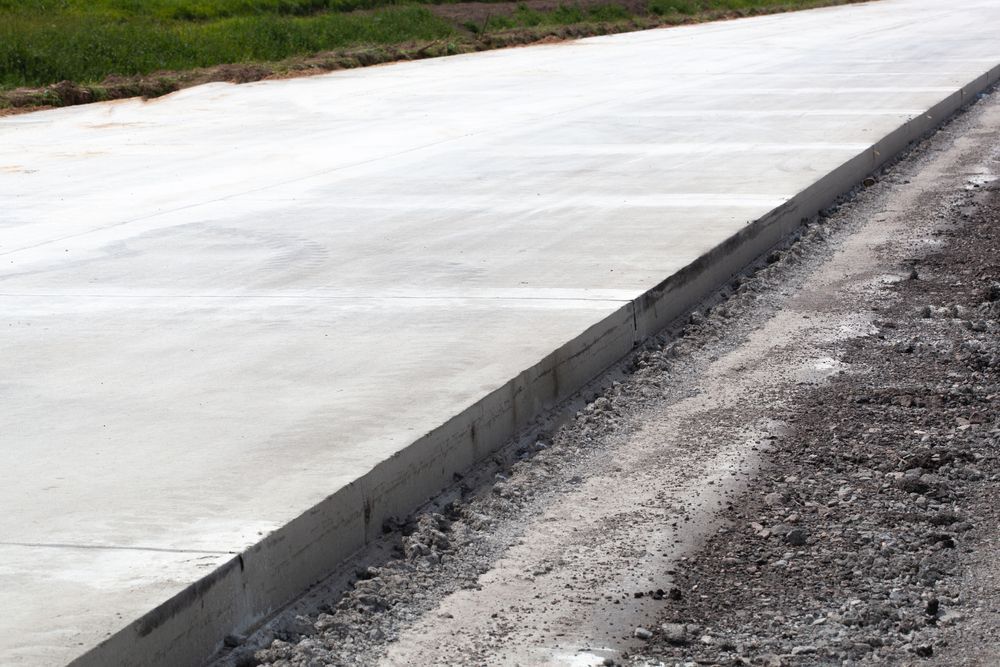
Driveway work includes full excavation of the existing surface if needed, grading to create proper slope for water runoff, compacting a stable base layer, and pouring or paving the final surface. New construction driveways require establishing the correct elevation and tie-ins to roads or garages. Replacement projects often involve removing cracked concrete or damaged asphalt before starting fresh. This work is commonly combined with drainage installation when water pooling has contributed to pavement failure.
Schedule a driveway consultation to review your site and discuss options for new installation or replacement in Amarillo.
What's Included in This Service
Driveway projects begin with site assessment to measure the area, check the condition of existing materials, and confirm drainage patterns. In Amarillo, soil type and grade affect how much base material is needed to prevent settling. If the old driveway is being replaced, removal and disposal of broken concrete or asphalt are included in the scope.
After installation, you'll notice a smooth, level surface that drains water to the sides and doesn't crack or sink under vehicle weight. Lace Construction builds driveways with proper base thickness and compaction to support the load and withstand freeze-thaw cycles. A well-built driveway lasts years without requiring patching or resurfacing.
The installation includes excavation to the required depth, placement and compaction of aggregate base, forming or edging for the pavement, and pouring or paving the final surface. Concrete driveways require curing time before vehicles can use them, typically several days depending on weather. If your project requires tie-ins to existing pavement, culvert installation, or additional grading, those elements are planned during the estimate. This service does not include decorative stamping, staining, or sealing treatments.
Why Locals Choose This Option
Driveways fail for specific reasons, and knowing what to expect before starting a project helps you avoid repeating the same problems. These questions cover common concerns about driveway installation and replacement.
A driveway is a long-term investment that depends on correct base preparation and drainage as much as the surface material itself. Contact us to review your site and discuss installation or replacement options for your Amarillo property.