
When your yard slopes toward a foundation, driveway, or neighboring property, water and soil move downhill with every rain. Retaining walls hold back earth, redirect runoff, and create usable level areas where erosion used to dictate what you could build or maintain. Lace Construction builds retaining walls throughout Amarillo using construction methods designed for local soil composition and drainage patterns common across the region.
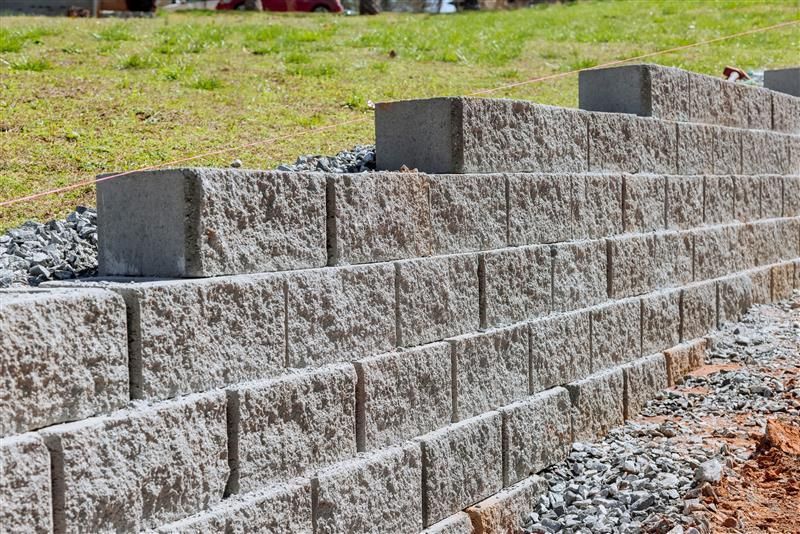
Retaining walls are structural barriers built to manage elevation changes and prevent soil from shifting or washing away. They're used in residential yards where grading creates steep slopes, along driveways that sit below street level, and on commercial sites where parking areas or access roads require stable transitions between different heights. These walls can be integrated with drainage solutions to handle water that collects behind the structure, preventing hydrostatic pressure from weakening the installation over time.
Request a retaining wall estimate to review site conditions and discuss material options for your Amarillo property.
What to Expect When You Book
Your retaining wall project begins with a site visit to measure the slope, check soil type, and identify where water moves during storms. In Amarillo, soil conditions vary across neighborhoods, and knowing whether you're working with clay, sand, or mixed fill affects how deep the footer needs to go and whether drainage features should be added behind the wall.
After the wall is built, you'll notice the ground stays in place during heavy rain and the area behind the wall no longer erodes into a low spot. Lace Construction focuses on durable construction methods that account for freeze-thaw cycles and seasonal moisture changes. Retaining walls are designed to last decades when properly installed with correct backfill and compaction.
The installation includes excavation, footer placement, block or stone stacking, backfill with drainage aggregate, and compaction of the soil behind the structure. If your site requires additional grading or tie-ins to existing drainage systems, those elements are planned during the estimate phase. This service does not include decorative landscaping or topsoil placement above the finished wall.
Key Benefits of This Service
Retaining walls address practical problems that show up as cracked pavement, sunken flower beds, or water pooling along foundation lines. These questions cover common concerns about planning and building a retaining wall in Amarillo.
Retaining walls are built to manage forces that don't stop after construction ends, so proper installation matters as much as material choice. Get in touch to schedule a site review and discuss options that fit your property's slope and drainage needs.