
Water doesn't wait for permission to move across your property. When heavy rain hits Amarillo, runoff follows the path of least resistance, and without proper drainage, that path often leads through yards, under driveways, or into low spots near foundations. Drainage systems and culverts redirect water away from structures and prevent erosion that turns manageable slopes into washouts. Lace Construction installs and repairs drainage infrastructure throughout Amarillo, designed for the heavy rains and seasonal runoff common across the Panhandle.
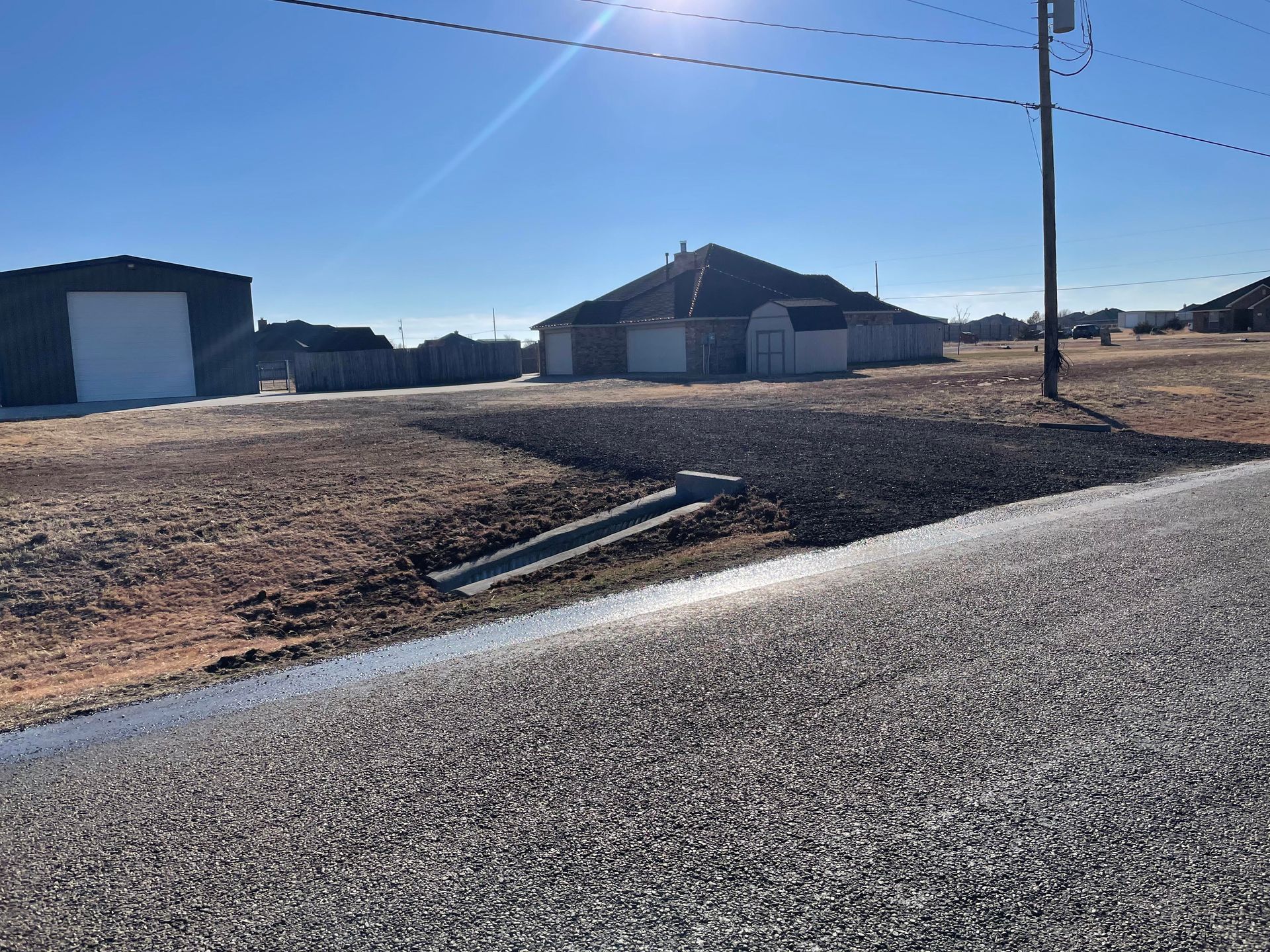
Drainage services include surface grading, subsurface drain lines, catch basins, and culvert pipes that carry water under driveways or roads. Culverts are often needed when a driveway crosses a natural drainage path or when stormwater needs to pass beneath paved surfaces without pooling. These installations are built to handle the volume and speed of water that arrives during thunderstorms, which can deliver inches of rain in a short window. Drainage work is frequently paired with site preparation and excavation to create proper slopes and outlet points.
Contact us to address drainage concerns and review options for managing runoff on your Amarillo property.
How Our Process Works
Drainage projects start with a site visit to identify where water collects, how it flows during storms, and where it needs to go to avoid causing erosion or flooding. In Amarillo, the terrain and soil type affect how quickly water moves and how much grading is needed to direct it properly. The assessment includes checking existing culverts or drain lines for blockages or damage.
Once the system is installed, you'll notice water moves away from buildings, driveways stay dry after storms, and low areas no longer turn into standing pools. Lace Construction uses durable pipe materials and gravel bedding to prevent shifting or collapse over time. Proper drainage reduces long-term water damage and protects pavement, foundations, and landscaping.
The work involves excavation to the correct depth, placement of culvert pipes or drain lines, connection to outlet points, and backfilling with compacted material. Surface grading is adjusted to direct sheet flow toward the drainage system. If your property requires additional erosion control or tie-ins to municipal stormwater systems, those elements are included in the planning phase. This service does not include interior basement waterproofing or sump pump installation.
Details That Matter Most
Drainage systems work in the background until something goes wrong, so understanding what they do and when they need attention helps you avoid bigger problems. These questions cover practical details about drainage and culvert work in Amarillo.
Water management is about directing flow before it becomes a problem, and drainage systems are built to handle the conditions that show up during real storms. Learn more about drainage options and culvert installation by scheduling a site assessment.